
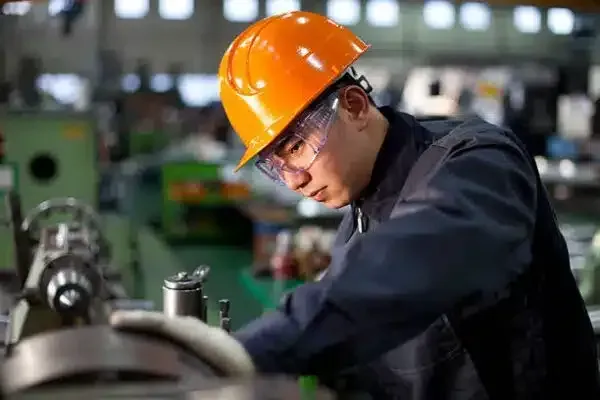
From Reactive To Proactive: The Future Of Safety In Manufacturing
Why “Fix It Later” Is No Longer an Option
Walk onto most factory floors today, and you’ll see the legacy of reactive safety everywhere. Worn hazard labels. Incident logs are filled out after accidents happen. PPE stations were hastily stocked after close calls. Unfortunately, with production always running and many priorities existing on the shop floor, it is easy to act if something goes wrong.
But the world has changed. Global competition is fiercer. Labor shortages are biting. Customer expectations around ethics and compliance are higher than ever. In this environment, treating safety as an afterthought is a recipe for disaster, not just in lost lives but in productivity, brand reputation, and bottom-line results.
The future of manufacturing demands a shift from reactive to proactive safety. Companies that fail to evolve will find themselves outpaced, out-fined, and out of business. Those who lead this transformation will not only save lives but also unlock new levels of performance across their operations.
The Reactive Model: A System Designed To Fail
How We Got Here
The traditional safety model in manufacturing has been largely reactive. Incidents happen. Investigations follow. New rules are posted. Workers are retrained. Then the cycle repeats. Sometimes there’s a minor improvement. Often, there isn’t. Worse, near-misses are brushed off because they didn’t result in immediate injury or cost, creating a false sense of security.
This reactive model has roots in the old mindset that accidents are inevitable. Many organizations still believe that “zero incidents” is an unrealistic goal — that a certain amount of injury and illness simply comes with the job.
That belief is outdated. Many companies need to prioritize safety more, but most are not intentionally negligent when it comes to safety. It is just one of many priorities that exist.
The Hidden Costs of Reactive Safety
Every incident costs far more than the immediate medical bills. Productivity grinds to a halt during investigations. Morale collapses as employees feel unsafe and undervalued. Insurance premiums skyrocket. OSHA fines pile up. Worst of all, good workers leave, unwilling to risk their health for a paycheck.
If a manufacturing firm averages just five recordable injuries per year, and each injury costs the company around $42,000 (according to NSC estimates), that’s $210,000 a year — minimum — flowing straight out the door.
And that doesn’t even account for the reputational damage when a serious incident hits the headlines.
The Proactive Future: Building Safety Into The DNA Of Operations
What Is Proactive Safety?
Proactive safety is a philosophy that treats incident prevention as the core mission, not an afterthought. Instead of waiting for failure and patching holes after the fact, proactive systems hunt for risk upstream. They identify hazards before anyone gets hurt. They respond before compliance gaps widen. They empower employees to solve problems before they become emergencies.
Proactive safety isn’t about checking boxes. It’s about making safety a living, breathing part of everyday work.
Key Pillars of Proactive Safety Systems
To move from reactive to proactive, manufacturers must embed safety into five core areas: leadership, data, systems, training, and culture.
Leadership Commitment: Walking The Walk, Not Just Talking
Why Leadership Must Lead First
Proactive safety starts at the top. Leaders who treat safety as a “compliance burden” send a clear signal that speed and profit outweigh worker well-being. In contrast, leaders who prioritize safety visibly — who walk the floor, ask real questions, and act on frontline feedback — create a culture where safety is everyone’s job.
Real leadership commitment looks like investing in safety technologies, empowering safety committees, tying management bonuses to safety metrics, and personally celebrating safety milestones.
Without leadership walking the walk, every other initiative collapses.
Data Visibility: From Guesswork to Precision
The Power of Real-Time Safety Data
Reactive safety relies on lagging indicators: reports of injuries, property damage, and regulatory citations. Proactive safety demands leading indicators: near-misses, unsafe behaviors, equipment status, ergonomic risks, fatigue levels.
Modern manufacturing environments have no excuse for operating blind. Mobile apps, IoT sensors, connected worker platforms, and systems like Thrive allow teams to gather safety data in real time, not weeks later during post-incident analysis.
Imagine knowing exactly which workstations pose ergonomic risks before injuries occur. Imagine seeing unsafe behavior trends within hours, not months. That is the power of proactive data.
Integrated Systems: Making Safety The Easy Choice
Streamlining Workflows For Safer Behavior
One of the biggest reasons workers skip safety protocols is friction. If logging a hazard takes ten minutes of paperwork, most employees won’t bother. If personal protective equipment (PPE) is hard to access or uncomfortable, compliance drops.
Proactive systems make the safe and easy way. Smart signage. One-click hazard reporting on mobile devices. PPE that’s stocked at the point of use. Maintenance alerts are tied to real-time equipment data.
When safe behavior is simple, it becomes second nature.
Next-Generation Training: Building Safety Reflexes
Training for Thinking, Not Just Compliance
Traditional safety training often focuses on rote memorization. Watch a video. Take a quiz. Sign a paper. Forget it all a week later.
Proactive training builds situational awareness and critical thinking. Instead of telling workers to memorize rules, it teaches them to spot risks in dynamic environments. It empowers them to take ownership, escalate issues, and collaborate on solutions.
Gamified safety modules, VR hazard simulations, roleplay exercises — these tools create real muscle memory, not just paperwork trails.
Culture Shift: Safety As A Core Value, Not A Slogan
Embedding Safety Deep Into Team Behavior
Culture eats strategy for breakfast. If the underlying culture says “production first, safety second,” no system or training can save you.
Proactive safety cultures reward speaking up. They celebrate near-miss reporting, not punish it. They promote peer accountability without creating blame games. They treat safety conversations as normal, everyday events — not just something that happens after someone gets hurt.
Building this culture takes time. It requires patience, consistency, and a relentless commitment to transparency.
But once it takes hold, it becomes your most powerful competitive advantage.
Real-World Results: Why Proactive Safety Pays Off
The ROI of Investing in Safety
Many manufacturers hesitate to invest heavily in proactive safety systems, worried about the upfront costs. But the numbers tell a different story.
According to a Liberty Mutual Workplace Safety Index study, for every $1 spent on safety programs, companies save $4 to $6 in injury-related costs. That’s a 400–600% ROI — better than almost any other operational investment.
Reducing injuries also reduces downtime, insurance premiums, turnover rates, and legal exposure. It boosts morale, engagement, and productivity.
Proactive safety isn’t a “nice to have.” It’s a bottom-line business driver.
Frequently Asked Questions About Proactive Safety in Manufacturing
What’s the Biggest Mistake Companies Make When Moving to Proactive Safety?
The biggest mistake is treating proactive safety like a project instead of a mindset shift. It’s not about launching a few initiatives and calling it done. It’s about building safety into every decision, conversation, and metric.
How Long Does It Take To See Results From Proactive Safety Programs?
Companies often start seeing improvements in near-miss reporting and hazard identification within three to six months. Major injury reductions usually follow within twelve to eighteen months, depending on program intensity.
Can Small or Mid-Sized Manufacturers Afford To Go Proactive?
In truth, they can’t afford not to. The cost of even a single serious injury can wipe out an entire year’s profit margin. Many proactive solutions, especially digital platforms like Thrive, scale affordably and require minimal IT overhead.
Is Technology Really Necessary To Go Proactive?
While mindset and culture are the foundation, technology accelerates success. Real-time data collection, mobile reporting, and smart sensors enable faster, better decisions — without burdening already stretched frontline teams.
Conclusion: The Future Is Proactive — Are You Ready?
The old way of reacting to accidents, injuries, and fines is a dead-end strategy. The future of manufacturing belongs to companies that build safety into the DNA of operations — proactively, systematically, relentlessly.
Proactive safety protects your people. It protects your brand. It protects your profits.
More importantly, it shows the world — and your workforce — that you take leadership seriously, not just when things go wrong, but every single day.
The clock is ticking. The factories of tomorrow are already building proactive safety systems today.
The question is simple: Will you lead — or be left behind?
Also, if you want to learn more about shop floor automation, what it is, what it does, and how it can benefit you, here is a chance to find out. Ready? Just click here…